
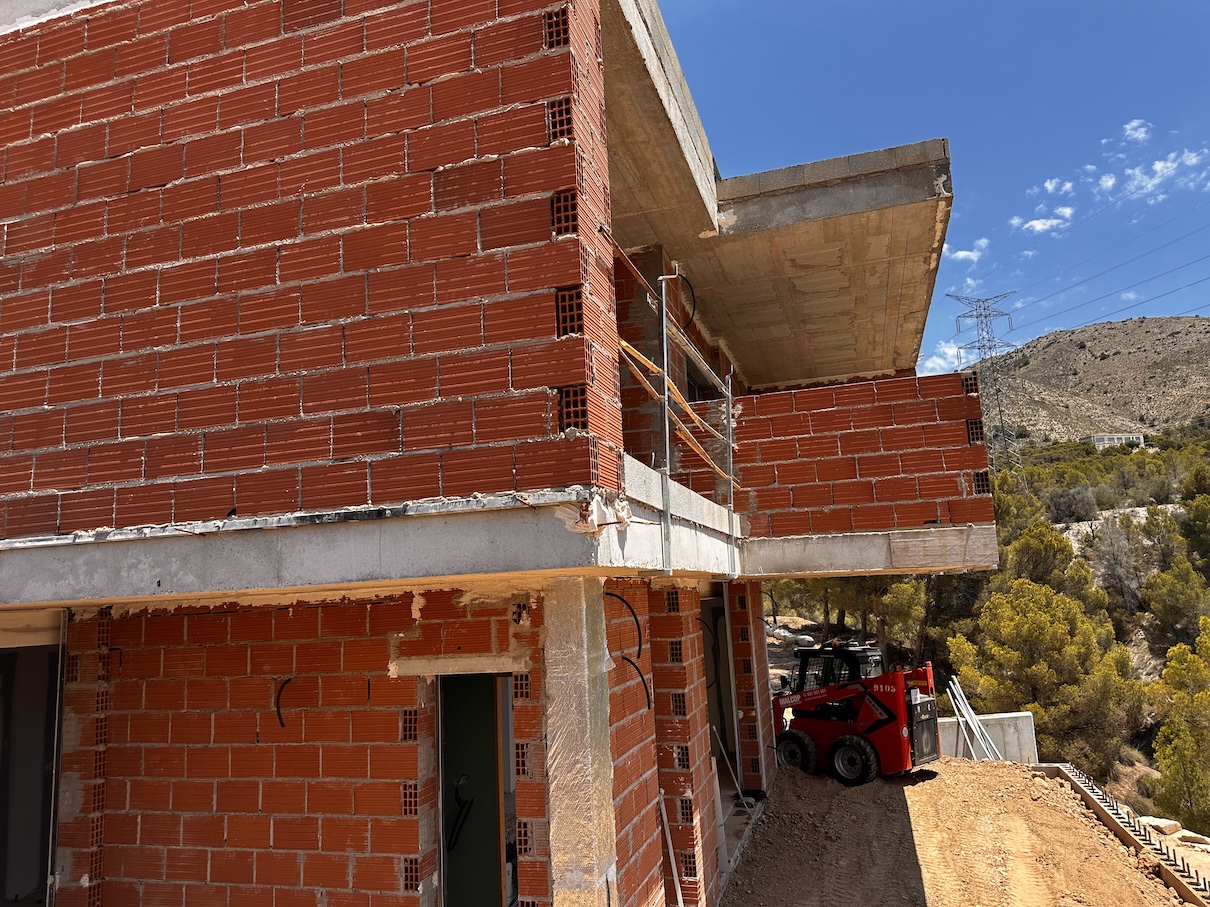
Buying a home in Spain is usually one of the biggest financial decisions of your life. Mistakes here cost more than stress; they can lead to serious losses.
It’s also important to remember one key idea: when you buy a property, you don’t only buy walls and square meters. You also take on a package of rights and obligations. Some are harmless. Others can become expensive surprises.
This checklist focuses on the legal and financial checks to do before you sign a deposit agreement (arras) or a purchase deed at the notary. It is not legal advice, but it will help you understand what your lawyer should verify and what you should personally pay attention to.
1) Confirm what exactly you are buying: Registro vs Catastro vs reality
The first step is not renovation, furniture, or the view. It is the documents.
The same property can appear differently in different systems, and they do not always match:
- Registro de la Propiedad (nota simple): legal description, boundaries, registered surface, rights and charges
- Catastro: cadastral reference, maps, location, cadastral surface
- Reality: what you physically see during the viewing
You want all three to align. Typical problems include:
- You are shown an apartment with a garage and storage room, but the Registry lists only the apartment
- The property was divided, merged, extended, or modified, but the change was never legally registered
- Surface areas on paper differ significantly from the actual layout
A classic trap: if the garage and storage room are registered as separate units (separate cadastral or registry references), they must be explicitly included in the purchase contract. If they are not listed, you may simply not be buying them.
Major mismatches can also point to illegal works or unregistered extensions. It is better to discover and negotiate this before the deal, not after.
2) Verify the owner and the type of ownership right being sold
It is not enough to check the owner’s name. You must confirm what type of right the seller actually owns and can transfer.
In the nota simple, pay attention to ownership wording, not just the “owner” section. Common scenarios:
- One owner with a clear ownership right
- Multiple co-owners with shares (1/2, 1/3, 1/4, etc.)
- Spouses under a marital property regime
- Split ownership structures such as pleno dominio, nuda propiedad, usufructo, usufructo vitalicio
Pleno dominio: the “full ownership” case
Pleno dominio is the simplest scenario. It means the owner holds the full bundle of rights:
- to own
- to use
- to dispose (sell, gift, mortgage)
Nuda propiedad and usufructo: the highest-risk misunderstanding
A more complex structure is common in Spain:
- One party is the nudo propietario (owner of the “bare title”)
- Another party is the usufructuario (holder of the right to use and benefit)
Nuda propiedad means you may own the title, but you do not necessarily have the right to live there, rent it out, or receive income if someone else holds usufructo.
The most typical example: an older person sells the nuda propiedad but keeps usufructo vitalicio (a lifetime right to live in the property). For the buyer, that means:
- You pay and become the “bare owner”
- The usufruct holder can legally live there until the end of their life
- You cannot move in or rent freely without respecting that right
- The property may remain occupied even after the ownership transfer is registered
If an agent or translator “smooths over” these terms and describes it as simply “ownership,” the buyer can make a very expensive mistake. Always insist on a literal translation and a clear explanation of these terms before you sign anything.
3) Check co-owners, heirs, shares, and minors
Ownership structure is critical for a clean closing.
- If there is one owner, they must sign (or sign via a valid power of attorney)
- If there are multiple owners, all must sign (or provide properly executed powers)
- If spouses own under a marital regime, both may need to sign depending on the regime
Special risk situations include:
- Minors as co-owners
- Owners with limited legal capacity
In cases involving minors, court authorization or guardianship involvement may be required, and timelines can become unpredictable.
Another common delay: heirs are listed, but one heir has passed away and their own inheritance is not finalized yet. The deal can freeze until succession is completed.
Bottom line: confirm shares, confirm signing authority, and ask directly whether you are buying full ownership or a split right structure.
4) Identify encumbrances and restrictions: mortgages, embargoes, easements, and fiscal notes
Next, confirm whether the property is “clean.” Third-party rights can transfer with the property if not cleared properly.
Common encumbrances include:
- Mortgage
- Embargoes, seizures, pledges
- Easements (rights of way, access, cables, view restrictions)
- Usufruct or lifetime habitation rights
Most registered charges appear in the nota simple. But some restrictions may exist “on the ground” even if poorly reflected in records.
You may also see afecciones fiscales: notes that certain taxes linked to prior transfers can be reviewed by the state within a 4-year period.
Before signing, either ensure charges are removed, or define in writing how and when they will be paid off by the seller, and what happens if they are not.
5) Community of owners (comunidad): debts, derramas, and house rules
If you are buying in a building, your risk is not only inside your apartment. You must assess the comunidad de propietarios.
Three areas to verify:
Community debts
In Spain, the property can be liable for community debts for the current year and the previous three years. A certificate from the community administrator is often used, but relying on it blindly can be risky.
Major works and special assessments (derrama)
The building may have approved expensive works (facade, elevator, roof, pipes). Even if invoices have not been issued yet, the owner at the time of payment may be responsible, meaning you.
House rules and statutes
Statutes may restrict tourist rentals, certain businesses, air-conditioning installation on facades, balcony glazing, signage, noise, and work hours. If you plan any rental strategy, request the estatutos and the latest meeting minutes.
Practical warning: a notary typically does not verify the authenticity of a community debt certificate. Deeds often include wording like “the seller declares there are no debts under their responsibility.” If the seller lies, the debt can still follow the property.
Under Article 9.1.e of the Ley de Propiedad Horizontal, the buyer can be responsible for those debts (current year + three prior years). This is often described as an obligation attached to the property, not the person.
What to do:
- Check when the certificate was issued and by whom
- Ask specifically about approved or upcoming derramas
- Put in writing who pays already-approved costs that fall due after closing
6) IBI and other municipal charges
IBI (Impuesto sobre Bienes Inmuebles) is an annual municipal property tax. It can effectively “stick” to the property, which makes it crucial for buyers.
Verify:
- Whether IBI has been paid for recent years and the current year
- Whether enforcement procedures have started
People often talk about the last four years plus the current year, but if the municipality has taken collection steps, limitation periods can be interrupted, and the real exposure can be longer. The simplest approach is to ask the seller for receipts, and if needed request confirmation from the town hall.
7) The 3% withholding for non-resident sellers (Modelo 211)
If the seller is not a Spanish tax resident, the buyer may have a legal duty to withhold 3% of the purchase price and pay it to the tax authorities via Modelo 211.
This mechanism protects the state: if the non-resident seller leaves and does not pay capital gains tax, the tax office can pursue the amount through the property and the buyer’s obligation.
This is often described as responsabilidad subsidiaria (subsidiary liability). The rule is linked to Spain’s non-resident income tax framework (commonly referenced under the IRNR law, including Article 25.2(3) in the official framework cited by practitioners).
If your gestor or advisor fails to handle this correctly, it can become the buyer’s problem later. Confirm it early and include it clearly in the deal checklist.
8) Urban planning status and licenses: especially important for houses and rural property
For houses, villas, and rural property, you must check more than “habitability.” Key items include:
- Licencia de primera ocupación (first occupancy license) or cédula de habitabilidad
- Whether the property is considered “out of compliance” or built with violations
- Whether actual construction matches what planning rules allow
Important nuance: a cédula de habitabilidad confirms habitability, but it does not automatically prove that every terrace, extension, or pool is legally approved. Some square meters may be unauthorized, creating risk of fines or limitations on future works.
If documents are missing, you can often request information from the Ayuntamiento with the seller’s cooperation.
9) Contracts, occupancy, and technical reality: protect yourself before the notary
Private contract (arras) and conditions
Once the legal picture is clear, most deals move to a private contract such as arras or an option agreement. Remember:
- A private contract creates binding obligations
- Deposits are often around 10% of the price
- This is where timelines, payment terms, expense allocation, and clearing of encumbrances must be defined
If you sign arras before proper checks, you can lock yourself into a problematic purchase without strong protection. Ideally, a real estate lawyer (not only a sales agent) reviews the contract.
Tenants, occupants, and special rights
Always confirm who is living in the property now:
- Is there a rental contract, and what are its terms?
- Is anyone registered with special rights (such as lifetime habitation rights)?
- Is the property truly vacant and deliverable on time?
If a lease exists, the new owner may need to respect it until the end of its term. Read it before buying, not after.
Okupas risk cannot be reduced to zero, but you can protect yourself by requiring clear delivery conditions, key handover rules, and penalties if the property is not vacated by the agreed date.
Technical condition and future costs
Legal cleanliness is not the same as technical health. Check:
- ITE (building technical inspection) if the building is older
- Energy certificate
- Condition of communications, elevator, roof, facade
- Community fees and planned works that could increase costs
Legal and technical checks are complementary. A lawyer verifies records and rights. A technical specialist helps you understand future repair exposure.
Final takeaway: don’t save money on checks before the deal
Buying in Spain is not only choosing a nice kitchen and a good neighborhood. It is buying a package of rights and responsibilities, some of which are not visible during a viewing.
A reasonable minimum before signing a deposit or going to the notary:
- Match the property description across Registry, Cadastre, and reality
- Confirm the owner, signing power, and the type of right being sold
- Check encumbrances, community debts, and IBI exposure
- Verify planning status and key licenses
- Prepare the private contract carefully, with clear protections
Doing this upfront is how you avoid the most expensive category of real estate mistakes: the ones that looked “fine” until the day after you bought.


