
Dubai and Abu Dhabi 2026 Property Outlook
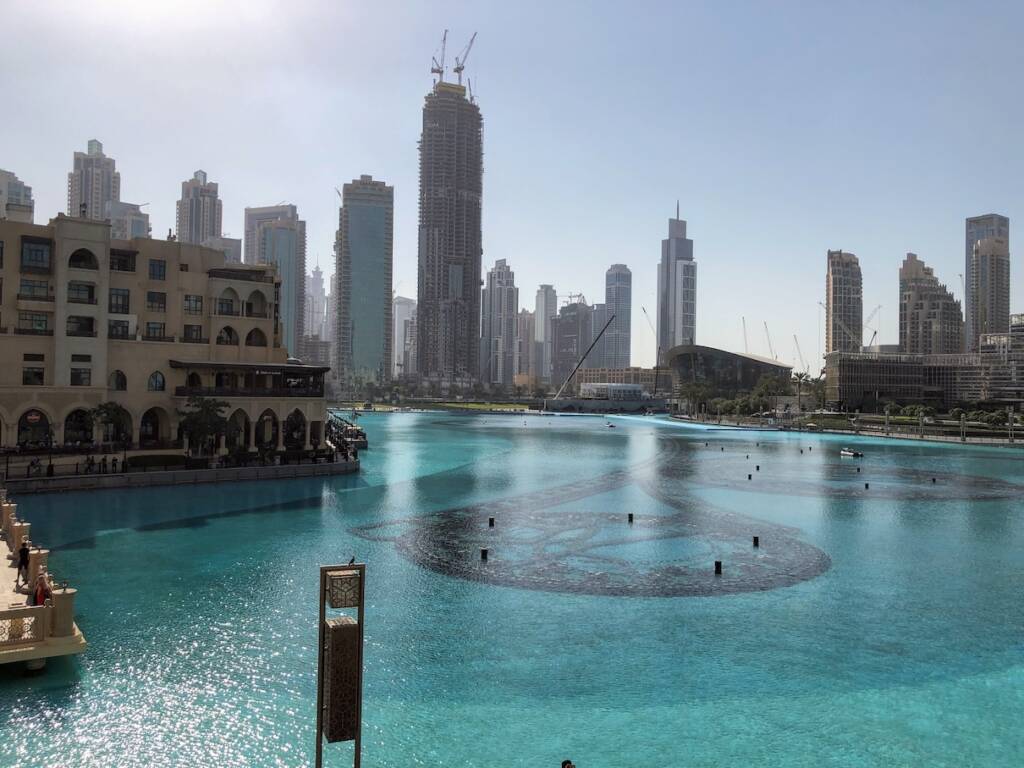
UAE Residential Real Estate 2026: Dubai and Abu Dhabi Data, Trends, Risks, and Opportunities
UAE real estate is still growing, but the market is moving into a more mature and balanced phase in 2026. Growth is slowing, segmentation is increasing, and supply is rising, while demand looks more structural and end-user driven than purely speculative.
This is not a reversal and not a bubble narrative. It looks like a normal stage after a strong upcycle in 2022 to 2025.
Quick summary: what 2026 looks like
- Price growth continues, but at a slower pace
- The market becomes more segmented by location and product type
- Supply expansion becomes the key factor for 2026 to 2028
- Rental yields remain attractive versus many other countries
- Cash dominates, so the market is capital-driven, not credit-driven
1) Prices: growth exists, but it is not uniform
Dubai: 2025 year over year growth
- Overall: +12.9%
- Villas: +15.2%
- Apartments: +12.5%
Price levels in money terms (AED per sq ft)
Dubai
- Apartments: 1,477 AED per sq ft (about $402)
- Villas: 3,048 AED per sq ft (about $830)
Abu Dhabi
- Apartments: 1,082 AED per sq ft (about $295)
- Villas: 823 AED per sq ft (about $224)
Investor takeaway: price growth is real, but it varies by segment. Strategy matters more than headlines.
2) 2026 forecasts: selective year, not a one-direction market
Dubai (forecast ranges)
- Prime segment: around 3%
- Mass market: around 1%
Abu Dhabi (forecast range)
- Expected growth: around +8% to +12%
Investor takeaway: 2026 is a year of selectivity. Prime and mass market can behave very differently, and Dubai and Abu Dhabi may diverge on growth rates.
3) Demand: less speculative, more end-user driven
Transaction activity remains strong:
- 205,000+ transactions (+18%)
- Turnover: AED 540 billion (+25%)
- 83% of transactions are apartments
Off-plan continues to dominate, but there is an important signal: flipping is becoming harder and resale is slowing. That does not kill the market, but it changes the strategy.
Investor takeaway: demand is supported by real residents and end-users, not only by short-term investors.
4) Supply: the main variable for 2026 to 2028
Dubai supply expansion is the key risk and the key opportunity, depending on micro-location and product quality.
- Delivered in 2025: 28,100 units
- Pipeline through 2028: about 366,000 units
Key areas frequently mentioned in the pipeline:
- JVC
- Dubai South
- Business Bay
- Dubai Islands
Investor takeaway: supply may pressure prices in certain locations. The more similar the units are and the more crowded the pipeline, the more competition you face at resale and in rent.
This looks more like local overload risk than a system-wide oversupply story.
5) Rent and yields: still attractive
Dubai gross rental yields
- Apartments: about 6.5% to 7.0%
- Villas: about 4.6%
Abu Dhabi gross rental yields
- Apartments: up to about 6.8%
- Villas: about 4.8%
Investor takeaway: yields remain compelling relative to many global markets, especially if you buy with disciplined pricing and manage vacancy and fees properly.
6) Cash dominates: the UAE market is capital-heavy
Cash transactions remain the core of the market:
- Dubai: about 86% of deals are cash
- Abu Dhabi: about 80% of deals are cash
Investor takeaway: this reduces the systemic risk of a forced mortgage-driven crash. The market behaves more like a capital allocation market than a credit bubble market.
7) Macro fundamentals: supportive base
Key macro indicators cited in the outlook:
- GDP growth 2025: +4.8%
- GDP growth forecast 2026: +5.0%
- Inflation: about 2%
- Unemployment: about 2%
Growth drivers often referenced include tourism, tech, finance, AI, and green energy.
What this means for investors in 2026
2026 is not the year for mass flipping as a default plan. Resale liquidity can slow, and supply will rise, especially in certain districts.
The strategies that fit the 2026 setup best tend to be:
- Long-term holding with clear exit logic
- Rental-focused assets where demand is durable
- Lifestyle purchases that also preserve capital
- Capital preservation in strong, proven micro-locations
A practical selection checklist for 2026
- Choose micro-location first, not just “Dubai” or “Abu Dhabi”
- Model supply risk: what is launching nearby through 2028
- Separate prime from mass market expectations
- Prefer assets with clear rental demand drivers, not only marketing narratives
- Be strict on developer quality and delivery history
- Assume resale will take longer than in 2022 to 2024 and price accordingly
Bottom line
The UAE remains a growth market, but it is moving into a more mature phase. Price growth is slower, segmentation is stronger, and supply becomes the main story for 2026 to 2028. For investors, the winning approach in 2026 is precision: project selection, location selection, and strategy selection, instead of broad, hype-driven buying.


How to Get a Language-Friendly Driving Test in Spain
If Spanish test language is your biggest barrier to getting a driving license, DGT has an …