
The End of an Era: Malaga’s Decision to Ban Horse-Drawn Carriages by 2025
Malaga to End Horse-Drawn Carriages by 2025: A Step Forward or a Loss of Tradition?
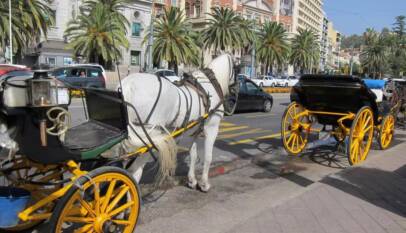
Malaga, a city known for its charm and rich cultural history, is set to phase out its iconic horse-drawn carriages by 2025. Mayor Francisco de la Torre announced this decision as part of the city’s efforts to promote animal welfare and embrace modern, eco-friendly tourism. While the carriages have long been considered a hallmark of Spanish tourism, their relevance in today’s world is being called into question.
Why Now?
The decision to end horse-drawn carriages stems from two primary concerns:
- Animal Welfare: Mayor de la Torre emphasized that in the 21st century, such forms of transportation no longer align with humane treatment standards.
- City Image: As tourists increasingly favor sustainable and modern travel options, Malaga aims to position itself as an innovative urban center rather than solely a traditional resort city.
This shift reflects a broader trend in global tourism, where environmental and ethical considerations are becoming central to urban planning.
Financial Compensation for Owners
The city plans to offer compensation to carriage owners to facilitate the transition.
- Proposed Compensation: Up to €120,000 per license. This is a significant increase compared to the previous average payout of €35,000 for voluntary license returns.
- Mixed Reactions: While some owners view the compensation as fair, others worry about losing their primary source of income. Drivers who lease licenses, rather than own them, may face financial insecurity after the ban.
The financial aspect of this transition raises important questions about the long-term impact on those who rely on this trade for their livelihood.
Concerns for Horses and Drivers
The decision has sparked debates about the future of the horses and the drivers:
- Horses: Critics argue that without proper planning, some horses may face uncertain futures, including the risk of being sent to slaughterhouses. Solutions like shelters or sanctuaries need to be prioritized.
- Drivers: Many drivers, particularly those over 40 or 50, fear the challenges of retraining and finding new employment. While the city promises reskilling programs, concerns about their effectiveness remain.
A Historical Perspective
The decline of horse-drawn carriages in Malaga has been gradual:
- In 2015, the city issued 55 licenses for a 20-year period, valid until 2035.
- Today, only 25 carriages remain, with a single official stop near Plaza de la Marina.
- Voluntary sales of licenses to the city have already reduced the number of carriages in operation, signaling a gradual shift away from this tradition.
Lessons from Other Cities
Malaga’s decision aligns with trends seen in other cities:
- Seville: While horse-drawn carriages are still in use, regulations ensure better conditions for the horses, especially during hot weather.
- Barcelona and Palma: Both cities have banned horse-drawn carriages, replacing them with electric vehicles and promoting “green” tourism.
- Marbella and Brussels: These cities are gradually limiting the use of horse-drawn carriages in their urban centers.
These examples illustrate a global move toward modern, ethical, and sustainable urban planning.
The Road Ahead
Malaga’s government has proposed measures to ease the transition:
- Reskilling Programs: Special training courses to help drivers find alternative employment.
- Balancing Modernity and Tradition: Some suggest converting horse-drawn carriages into electric vehicles to preserve the romantic atmosphere without compromising ethical standards.
However, many residents and tourists lament the potential loss of the carriages, which they see as an essential part of Malaga’s charm and identity.
The decision to phase out horse-drawn carriages in Malaga reflects a broader societal shift toward prioritizing animal welfare and sustainability. While the move has sparked debates about the future of tradition and the livelihoods of those affected, it also represents an opportunity to reimagine urban tourism in a way that aligns with modern values.
What do you think? Should traditions evolve to meet contemporary standards, or is there a way to preserve them in new formats? Share your thoughts!




How to Get a Language-Friendly Driving Test in Spain
If Spanish test language is your biggest barrier to getting a driving license, DGT has an …