
Miami / South Florida Housing Market Forecast 2025–2026: Homes Hold, Condos Under Pressure
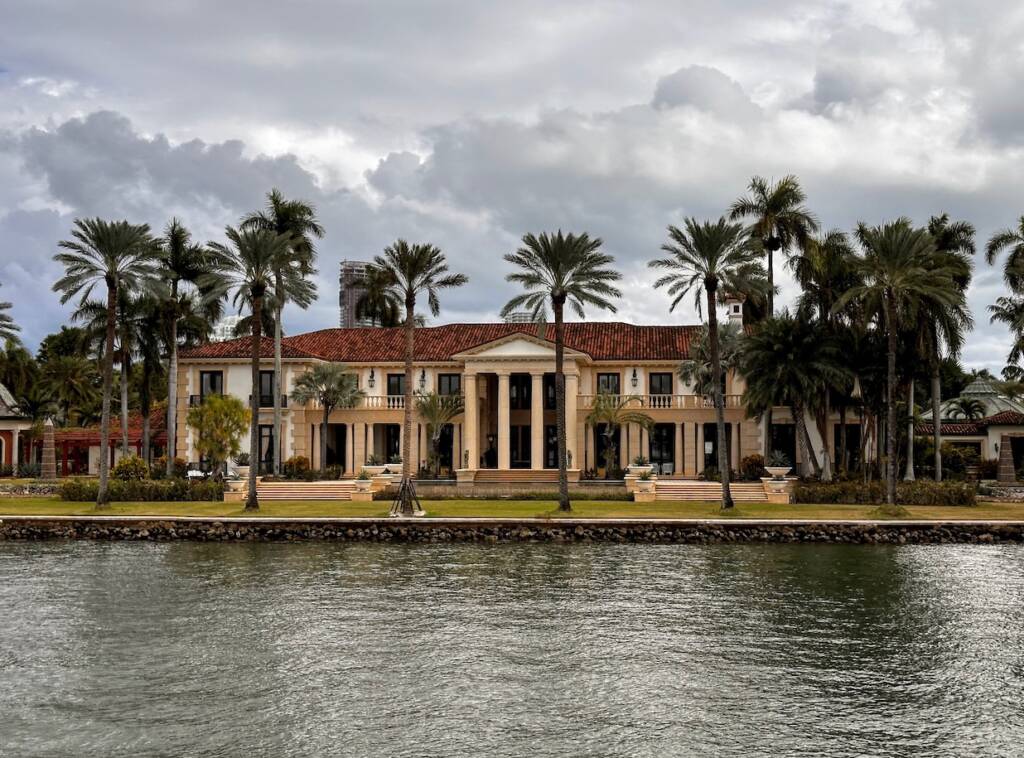
South Florida is entering 2025–2026 with a clear split inside one market.
Key takeaway from the Miami Realtors 2025–26 outlook:
🏠 Single-family homes look resilient
🏢 Condos and townhomes remain under structural pressure
1) Macro backdrop: what supports and what weighs on the market
Mortgage rates (30-year fixed)
- 2025: ~6.4%
- 2026: ~6.5%
Cheap money is not coming back soon. The market is operating in a “higher-rate normal.”
Inflation (PCE)
- 2025: ~3.6%
- 2026: ~4.0%
Persistent inflation keeps real assets relevant as a store of value.
Employment
Job growth in Southeast Florida:
- 2025: +1.4%
- 2026: +1.7%
The economy may slow, but it doesn’t look like a collapse scenario. That stability matters.
2) Transaction volumes: the free fall phase is over
Existing-home sales volumes:
- 2021: 130,000+
- 2024: ~79,800
- 2025: ~77,900
- 2026: ~78,100
The sharp decline is behind us. The market is in a plateau phase—not a free fall.
3) The core split: single-family homes vs condos
🏠 Single-family homes
Sales:
- 2025: +0.7%
- 2026: +4.0%
Prices (median, year-end): a moderate, “healthy” ~3–4% annual growth is expected. This remains the most stable Miami segment.
🏢 Condos / townhomes
Sales:
- 2025: –9.8%
- 2026: –4.9%
Prices:
- 2025: 0%
- 2026: +0.9%
Prices are flat while transactions keep falling. This looks more like a buyer’s market than a growth market.
4) Months of supply: the number that explains the mood
🏠 Homes
- ~6 months of supply
A balanced market: no shortage, no overheating.
🏢 Condos
- ~12 months of supply
A true buyer’s market: more negotiation, more discounts, more pressure on sellers.
5) Why condos are under pressure (this is structural)
The issue is not just cyclical demand. It’s a structural cost and compliance shift:
- Rising condo fees
- Special assessments
- New state requirements for reserves and repairs
- Older building stock
Key facts:
- Condo fees up ~45% since 2021
- 60–85% of buildings in local counties are 30+ years old
Even if prices hold, net returns can shrink when ownership costs rise.
6) Affordability: the market is becoming more “elite”
Only about 14–15% of renters can afford to buy a home today.
That means mass-market demand has stepped back. The market leans more on wealthy buyers.
7) Who is buying now
- High-income households
- Cash buyers
- $1M+ buyers
Market signals:
- Up to 55% of condo deals are cash
- 25–30% of home sales are in the $1M+ segment
- The “million-dollar home” threshold in Miami-Dade is estimated around ~$3.3M
The market is polarized: fewer average buyers, more capital-heavy participants.
8) Risk and resilience
- ~44% of owners have no mortgage
- There is a large accumulated equity buffer
This reduces the odds of a systemic crash. Even with a correction, many owners have room to maneuver.
9) Bottom line
Miami 2025–2026 is:
- ❄️ Not a bubble
- ❄️ Not 2021-style hyper-growth
- 🏠 Stronger in single-family homes
- 🏢 Weaker/average in condos
- 💰 Increasingly driven by wealthy and cash buyers
If you’re deciding in 2026, the most important choice is not “Miami or not Miami,” but which segment—and whether your strategy can absorb the new cost structure, especially in condos.





How to Get a Language-Friendly Driving Test in Spain
If Spanish test language is your biggest barrier to getting a driving license, DGT has an …