
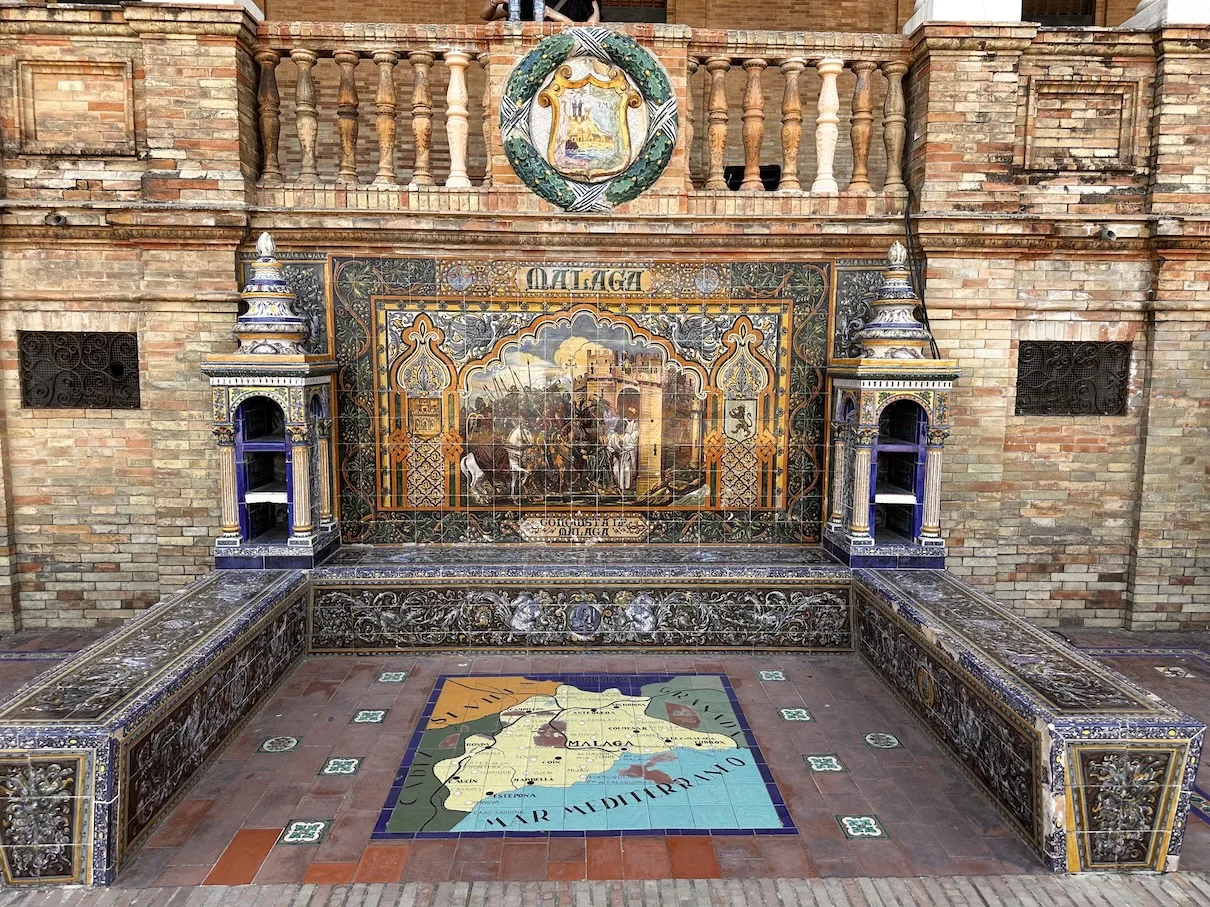
Málaga is easy to fall in love with.
The sunshine, beaches, walkable streets, outdoor restaurants and relaxed atmosphere can make moving to southern Spain feel like an obvious lifestyle upgrade. Food, transportation and entertainment may also appear more affordable than in many large cities in the United States and northern Europe.
Much of that attractive image is real.
However, living in Málaga is not the same as spending a week there on holiday. Once the initial excitement fades, newcomers must find housing, support themselves financially, arrange healthcare, navigate residency procedures, improve their Spanish and gradually build a social life.
This guide turns one resident’s first year in Málaga into ten practical lessons for anyone considering a move to the Costa del Sol.
Quick answer
Málaga can offer an excellent quality of life, particularly for people who value warm weather, walkability, public transportation, outdoor living and easy access to the rest of Andalusia.
The move is much more likely to succeed when you arrive with:
* A realistic housing budget
* Reliable income or sufficient savings
* An appropriate residency plan
* Healthcare arranged in advance
* Patience for administrative procedures
* Realistic expectations about employment
* A serious commitment to learning Spanish
* A willingness to build relationships gradually
The dream is not simply to live somewhere beautiful. The more demanding task is learning how to build a stable and meaningful life there.
Key takeaways
* Málaga’s famous lifestyle is real, but everyday indulgence can become expensive and unhealthy.
* Spain is not one uniform culture. Regional identity matters enormously.
* Housing in Málaga can be competitive and affected by seasonal demand.
* Finding local employment may be more difficult than newcomers expect.
* Daily errands become manageable relatively quickly, even with imperfect Spanish.
* Language development and belonging require deliberate effort.
* Healthcare should be investigated before beginning a residency application.
* A relaxed social culture does not mean relaxed administrative deadlines.
* Central Málaga can be highly manageable without a car.
* Spain has several distinct climates, and Andalusia brings intense heat and occasional Saharan dust.
1. The good life is real, but it requires moderation
One of Málaga’s greatest advantages is that ordinary days can feel enjoyable.
The climate encourages people to walk, spend time outside, meet friends on terraces and use the beach as part of daily life rather than as an occasional destination.
The food culture is equally appealing. A newcomer can quickly discover patatas bravas, croquetas, bocadillos, carrillada, rabo de toro, pimientos de Padrón, espetos, local beer, vermouth and countless varieties of tapas and seafood.
These experiences are part of the pleasure of living in Spain. The difficulty is that they are no longer limited to a one-week holiday.
When inexpensive drinks, fried tapas and rich meals are always nearby, occasional indulgence can quietly become an everyday habit.
Build a sustainable routine
You do not need to remove the pleasures that attracted you to Spain. You need routines that make them sustainable.
* Walk as part of your normal day.
* Cook more meals at home.
* Treat restaurant meals as social occasions rather than daily necessities.
* Join a gym, sports club or walking group.
* Make use of Spain’s fresh produce, fish and Mediterranean ingredients.
* Avoid behaving like a tourist every day.
A successful relocation should improve your long-term quality of life, not become a permanent holiday from healthy habits.
2. Spain is more culturally complex than it looks
Spain should not be treated as one uniform culture.
Regional histories, identities, traditions, accents and languages can be highly significant. Someone living in Málaga may identify strongly with Málaga as a city, Málaga as a province, Andalusia as an autonomous community and Spain as a country.
This layered identity can surprise newcomers from countries where national identity tends to dominate everyday conversation.
Travelling around Spain makes these differences easier to understand. Galicia, the Basque Country, Catalonia, Andalusia and Madrid are not interchangeable versions of the same place. They have distinct histories, foods, traditions, cultural references and political experiences.
Understand local traditions
Flamenco is a useful example.
Performances can now be found throughout Spain, especially in tourist areas, but flamenco has deep historical connections with Andalusia and with communities whose history cannot be reduced to entertainment for visitors.
Learning about the origins of local traditions helps newcomers distinguish between something created primarily for tourists and something rooted in the region’s history.
Learn about the place where you live
A newcomer should take time to explore:
* The history of the autonomous community
* The municipality and province
* Local festivals
* Regional food traditions
* Languages spoken in the area
* Important social and political sensitivities
* The history behind cultural performances
Approach Spain with curiosity rather than assuming that a few months of residence makes you an expert.
The more you learn, the more clearly you see how much remains to be understood.
3. Housing requires preparation and flexibility
Finding long-term housing can be one of the most difficult parts of moving to Málaga.
One practical approach is to begin with temporary accommodation. Staying for several weeks in Málaga, Torremolinos or another connected location gives you time to attend viewings and understand different neighbourhoods before signing a long-term agreement.
Photographs and online descriptions do not always reveal:
* Street noise
* Nearby construction
* The condition of the building
* Natural light
* Humidity or ventilation problems
* The atmosphere of the neighbourhood
* Walking distance to essential services
* Public transportation access
* Seasonal tourism pressure
* Whether the property is genuinely available long term
Understand seasonal rental pressure
Málaga is both a residential city and a major holiday destination.
Rental competition can intensify during the warmer months when demand from visitors, seasonal residents and short-term renters increases.
A property offered as a long-term rental in winter may be removed from the residential market for the summer. Ask clearly about the contract duration and whether the owner intends to reclaim the property during peak tourist months.
Prepare your rental documents
A landlord or agency may request some combination of:
* Identification
* NIE or residency documentation
* An employment contract
* Proof of income
* Bank statements
* References
* A security deposit
* Additional financial guarantees
Requirements vary, but having your documents organized can help when several applicants are competing for the same property.
Use a safer housing plan
* Budget for temporary accommodation.
* Visit properties in person.
* Prepare supporting documents before attending viewings.
* Research several neighbourhoods rather than only the historic centre.
* Check transportation connections at the times you normally travel.
* Understand the duration and conditions of the lease.
* Do not transfer money before verifying the property and agreement.
The advertised rent is only one part of the housing decision. Contract terms, utility costs, location and seasonal availability can be equally important.
4. Do not assume you will quickly find local employment
Moving first and planning to figure out the employment situation after arrival can be financially dangerous.
Even native Spanish speakers with university qualifications can experience difficulty finding appropriate work in southern Spain.
Opportunities exist, but competition, regional unemployment, salary levels and professional requirements can make the search longer than expected.
This does not mean that finding work in Málaga is impossible. It means your entire relocation plan should not depend on securing a job immediately after arrival.
Arrive with a financial plan
Before moving, identify how you will support yourself if finding employment takes six months or longer.
Possible sources of support include:
* Confirmed remote employment
* Self-employment or business income
* Savings
* Pension income
* Investment income
* A spouse or partner’s income
* A confirmed study arrangement
* An employment offer obtained before moving
A lower cost of living does not remove the need for dependable income. It only changes the amount and structure of the budget.
Confirm your right to work
Not every residence status automatically permits every type of employment or self-employment.
Before moving, verify:
* Whether your immigration status permits work
* Whether self-employment is allowed
* Whether your qualifications must be recognized in Spain
* Whether your profession requires registration
* What level of Spanish employers normally expect
* What salaries are typical in your sector
Do not build your financial plan around the most optimistic employment scenario.
5. Daily life becomes normal surprisingly quickly
Housing, employment and paperwork may remain stressful, but ordinary daily tasks often become manageable relatively quickly.
With functional Spanish, newcomers can learn to:
* Buy groceries
* Visit a pharmacy
* Order food
* Arrange basic utilities
* Handle simple telephone calls
* Use public transportation
* Shop at traditional markets
Your Spanish does not need to be perfect. You need enough vocabulary to explain what you require, understand basic questions and ask for clarification.
Use traditional markets respectfully
Málaga’s Mercado Central de Atarazanas can initially feel crowded and intimidating.
Customers may need to understand metric weights, product names, queueing customs and how to request a particular quantity or cut.
Remember that Atarazanas is a functioning market, not merely a tourist attraction. Avoid blocking aisles or stalls while local residents are trying to shop.
Purchasing something and respecting the working environment helps preserve the market as part of the community.
Learn how traditional bars work
Busy Spanish bars may operate differently from table-service restaurants in other countries.
You may need to:
* Approach the bar
* Speak clearly in a crowded space
* Understand whether payment happens immediately or later
* Keep track of what you ordered
* Accept that personal space may be limited
The first visit can feel uncomfortable. After several visits, the process becomes familiar.
Do not wait for perfect Spanish before participating in everyday life. Use simple sentences, observe how local customers behave and accept minor mistakes as part of learning.
6. Language and belonging do not happen automatically
Living in Spain does not guarantee that you will become fluent in Spanish.
Immersion works only when your daily environment regularly requires you to listen, speak, read and respond in the language.
Málaga is highly international. English may be enough in many restaurants, tourism businesses and international social groups.
This makes the city comfortable for newcomers, but it can also reduce the pressure needed to improve your Spanish.
Functional Spanish and social Spanish are different
Knowing how to arrange an electricity account is not the same as being able to:
* Follow humour
* Understand rapid group conversations
* Express your personality naturally
* Discuss cultural or social issues
* Build close friendships
* Recognize indirect communication
* Participate confidently in local activities
Language development can become more difficult once your basic survival needs are already being met.
Build belonging through repetition
Moving to a warm and sociable city does not automatically produce a circle of close friends.
Opportunities exist through:
* Sports clubs
* Hiking groups
* Language exchanges
* Cultural associations
* Volunteering
* Professional networks
* Neighbourhood events
* International communities
Attending an activity once is rarely enough. Relationships normally develop through repeated contact.
A practical integration plan might include:
* Attending Spanish classes twice a week
* Joining one recurring local activity
* Limiting your reliance on English in routine situations
* Learning vocabulary connected to your hobbies
* Returning to the same café, market or club
* Accepting invitations even when the language feels difficult
Belonging is usually built through consistency, not through a single breakthrough moment.
7. Healthcare must be planned early
Spain has an established public healthcare system, but newcomers should not assume they will receive immediate access simply because they have entered the country.
Eligibility can depend on:
* Residency status
* Employment
* Social Security registration
* Family circumstances
* The autonomous community
* The specific immigration route
* Other individual circumstances
Some residency applications require private health insurance that satisfies particular conditions.
The policy may need comprehensive coverage without the co-payments or exclusions found in some ordinary low-cost insurance products.
Check the insurance carefully
Before purchasing a policy, confirm:
* Whether private insurance is required for your residency route
* Whether the policy includes co-payments
* The coverage start date
* Waiting periods
* Pre-existing-condition rules
* Prescription coverage
* Dental coverage
* Emergency services
* Included hospitals and clinics
* Cancellation and renewal conditions
Do not cancel existing coverage until you understand when the Spanish policy begins and how you will be protected during the transition.
Healthcare is not simply a lifestyle purchase. Depending on your circumstances, it may form part of the legal residency process.
8. Relaxed daily life does not mean relaxed bureaucracy
Málaga may feel socially relaxed, but administrative procedures can involve strict deadlines, appointments and documentation requirements.
This distinction catches many newcomers by surprise.
You may encounter:
* Limited appointment availability
* Different interpretations of requirements
* Requests for additional documents
* Documents that must have been issued recently
* Translation or legalization requirements
* Procedures divided between several offices
* Difficult online systems
* Long periods without visible progress
Incorrect or incomplete advice can cause significant delays or even require an applicant to restart part of the process.
Protect your application
* Confirm professional advice against official information.
* Keep digital and physical copies of every document.
* Record submission dates and reference numbers.
* Ask for important advice in writing.
* Track document and certificate expiry dates.
* Confirm which authority controls each stage.
* Check whether translations must be completed by a sworn translator.
* Verify that an adviser regularly handles your specific residence route.
Professional assistance can be valuable, but responsibility for understanding your own case should never be completely outsourced.
A relaxed social atmosphere does not mean flexible legal deadlines.
9. Málaga can be highly manageable without a car
Public transportation can be one of Málaga’s strongest quality-of-life advantages.
People living centrally can walk to many daily destinations, and some historic-centre streets are pedestrian-only. Depending on where you live and work, owning a car may be unnecessary or inconvenient.
The city and surrounding area are supported by:
* Urban buses
* Málaga Metro
* Cercanías commuter trains
* Regional and intercity buses
* Long-distance rail from María Zambrano station
* An airport rail connection
The coastal commuter train is particularly useful for reaching the airport and communities west of Málaga, including Torremolinos, Benalmádena and Fuengirola.
When a car may still be useful
Living without a car becomes less convenient when you:
* Live far outside the main urban area
* Commute to a poorly connected workplace
* Regularly visit inland villages
* Need to transport children or extensive equipment
* Want frequent access to rural hiking areas
* Have reduced mobility
* Frequently transport large purchases
Choose the location before deciding about a car
A slightly higher rent near a train station, bus corridor or walkable centre may cost less overall than cheaper housing that requires car ownership, fuel, insurance, parking and maintenance.
Check the real journey from a potential home to your workplace, school, supermarket and healthcare provider before signing a lease.
10. Spain does not have one climate
People often discuss the weather in Spain as though the entire country shares one climate.
It does not.
Southern Andalusia can be dry and extremely hot. Galicia is generally greener and wetter. Mountainous areas near Granada can receive snow. Coastal areas may experience different humidity and wind conditions from inland locations.
The climate affects:
* Housing preferences
* Air-conditioning costs
* Heating requirements
* Outdoor routines
* Clothing
* Tourism levels
* Water use
* Transportation
* Health and comfort
Understand calima
Southern and eastern Spain may experience calima, when airborne dust from the Sahara reaches the Iberian Peninsula and surrounding islands.
The sky can become hazy, air quality may deteriorate and dust can mix with rain, leaving reddish or brown residue on cars, balconies, windows and outdoor laundry.
During a calima event, consider closing windows, checking local air-quality guidance and bringing laundry or sensitive outdoor items inside.
Check the home for climate suitability
Before choosing a home, inspect:
* Air conditioning
* Heating
* Window quality
* Ventilation
* Exterior orientation
* Direct afternoon sun
* Humidity
* Signs of mould
* Energy efficiency
* Whether outdoor space is usable during summer
A beautiful apartment can become uncomfortable or expensive when its design does not suit the local climate.
Would Málaga still be a good choice?
After one year, the answer from the original resident was clearly yes.
However, it was a more informed yes than the answer that might have been given before moving.
The positive parts remained real:
* Good weather
* Excellent food
* Walkability
* Useful public transportation
* Outdoor living
* Friendly daily interactions
* Cultural discovery
* Access to the rest of Andalusia and Spain
The difficult parts also became clearer:
* Housing competition
* Employment uncertainty
* Administrative complexity
* Financial pressure
* Language development
* Healthcare planning
* Social integration
* Climate extremes
The central lesson is that moving to Málaga should not be treated as purchasing a ready-made lifestyle.
Living somewhere beautiful is only the beginning. A durable life requires financial stability, cultural humility, language development, relationships and the ability to navigate systems that may initially feel unfamiliar.
Practical Málaga relocation checklist
Income and employment
* Confirm that you have reliable income or adequate savings.
* Understand whether your residence status permits employment.
* Research employment conditions in your profession.
* Do not assume local work will be immediately available.
Housing
* Budget for temporary accommodation.
* Research several neighbourhoods.
* Understand seasonal rental pressure.
* Prepare documents for rental applications.
* Verify the property before transferring money.
Residency and paperwork
* Confirm which residence route applies to you.
* Check requirements through official sources.
* Understand document-expiry and translation rules.
* Retain copies of every submission.
Healthcare
* Make sure coverage begins when needed.
* Confirm that insurance meets applicable residency requirements.
* Understand exclusions and waiting periods.
* Research how you may qualify for public healthcare.
Language
* Create a realistic study plan.
* Use Spanish before you feel fluent.
* Find recurring opportunities to practise.
* Avoid depending entirely on English-speaking communities.
Transportation
* Check walking and public-transport access from potential homes.
* Review connections to the airport and María Zambrano station.
* Compare public-transport costs with car ownership.
* Consider how frequently you want to visit rural areas.
Integration
* Identify activities that meet regularly.
* Be prepared to initiate conversations.
* Understand that friendship takes time.
* Learn about the region’s history and culture, not only its climate.
Frequently asked questions
Can you live in central Málaga without a car?
Yes. Many central neighbourhoods are walkable and supported by buses, commuter rail, metro services and regional connections.
A car becomes more useful when living outside the city, commuting to poorly connected areas or frequently visiting rural destinations.
Is Málaga inexpensive?
Málaga may be less expensive than some major cities in the United States or northern Europe, but that does not automatically make it inexpensive.
Housing costs, neighbourhood, tourism demand, household size and lifestyle strongly influence the final budget.
Is finding an apartment in Málaga difficult?
It can be competitive, particularly in popular locations and during periods of high seasonal demand.
Arriving with temporary accommodation and attending viewings in person can reduce some of the risk.
Can I move to Málaga and then find a job?
It is possible, but it is financially risky to depend on quickly finding local employment.
Remote income, savings or a confirmed employment arrangement provide greater protection.
Can I live in Málaga without speaking Spanish?
A newcomer may manage many tourism-related situations in English, especially in central and coastal areas.
Spanish becomes much more important when dealing with housing, utilities, healthcare, administration, employment and long-term integration.
Will living in Spain make me fluent automatically?
Not necessarily.
People can remain within English-speaking professional and social environments for years. Meaningful progress requires repeated exposure, active practice and a willingness to experience uncomfortable conversations.
Do foreigners receive public healthcare immediately?
Not automatically.
Access depends on employment, Social Security registration, residency status, family circumstances and other eligibility rules. Some residence routes may require private health insurance.
Is Málaga hot throughout the entire year?
Málaga generally has a mild coastal climate, but temperatures still change by season.
Summers can be extremely hot, and the comfort of a home depends on its orientation, ventilation, insulation and air conditioning.
Final thoughts
Málaga can deliver many of the things newcomers hope to find in Spain: sunshine, outdoor living, excellent food, useful transportation, culture and a more human rhythm to everyday life.
But relocation becomes successful only when that lifestyle is supported by practical foundations.
Prepare the income.
Research the housing.
Arrange the healthcare.
Understand the paperwork.
Learn the language.
Return to the same places.
Meet people repeatedly.
Respect the community that already exists.
That is how an attractive destination gradually becomes a home.
Source note
This article was adapted from a supplied first-person account describing one resident’s first year living in Málaga.
Personal costs, prices, travel times and individual experiences should be understood as examples rather than universal guarantees.
Housing conditions, transportation fares, insurance premiums, employment conditions, immigration requirements and public services can change. Verify current information with the relevant official authority or service provider.
Important note
This article is for general informational purposes only. It is not legal, immigration, tax, employment, medical, real-estate or financial advice.
Individual requirements depend on nationality, residence route, household circumstances and current Spanish regulations.


